
Introduction
Nobody orders a fire watch for fun. It is a requirement that kicks in when something normal protection is missing or the risk is unusually high. The exact trigger depends on your local fire code, and fire officials can add their own orders. Still, a handful of situations come up again and again. Knowing them lets you act quickly instead of finding out from an inspector.
Understanding when local authorities or insurance providers mandate this level of coverage is essential for property managers and business owners. Bringing in dedicated Fire Watch Guards allows site managers to maintain complete code compliance while mitigating risks during planned maintenance or unexpected emergencies. By recognizing the specific events that trigger these mandatory monitoring requirements, facility leaders can deploy trained personnel immediately and avoid costly citations, shut-down orders, or catastrophic property loss.
A Fire Protection System Is Out of Service
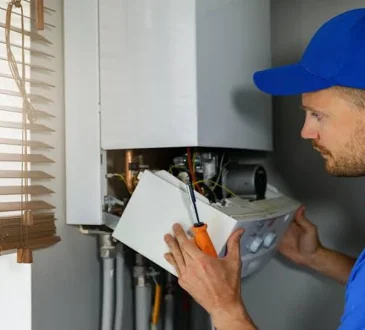
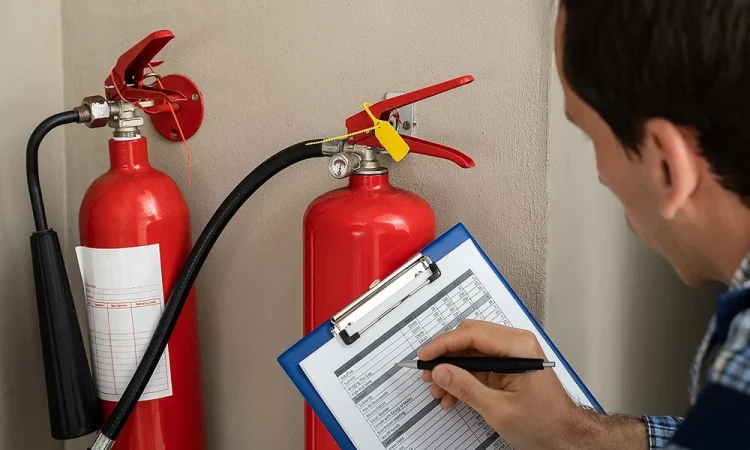
The most common trigger is a broken or shut-down alarm, sprinkler or standpipe system. Many codes, including the widely used International Fire Code, say that if a system is out of service for more than four hours in a 24-hour period, the fire official must be told and the building either emptied or watched by an approved fire watch. Some rules set longer limits, so check the figure that applies where you are. A planned shutdown for maintenance counts just as much as a breakdown, so arrange coverage before the work begins.
Hot Work and Construction Activity
Welding, cutting, grinding and torch-applied roofing throw sparks that can ignite materials far from the work. Safety standards require trained fire watchers during hot work and for a period after it ends. Construction sites bring other hazards too, such as stacked lumber, temporary heaters and unfinished buildings without working fire systems, so permits often come with a watch condition. The watch normally has to start the moment the work does, not after it is under way.
Crowds, Events and Special Conditions
A fire marshal may require a fire watch for a large event, a crowded temporary structure or a venue running above its normal occupancy. The same applies when exits are blocked, when a building is being reoccupied after damage or when an inspection finds repeated violations. These orders are usually written, with a start time and a duration, so keep a copy. Rules for crowded venues also depend on what is being held, since fireworks, cooking and stage effects all raise the risk.
After a Fire
A building that has just had a fire may be watched afterward to catch smoldering material that could reignite, sometimes called a rekindle watch. Fire investigators may also request one while the property is secured. The length varies, and it often continues until the fire department or a code official confirms that the risk has passed. Keep the closing paperwork in case an inspector asks to see when the watch ended. Ask the fire department who should be told when it ends.
Conclusion
A fire watch is typically required when protective systems fail, when hot work or construction raises the risk, when crowds or violations create danger and after a fire. Because rules differ, confirm the time limits with your local fire authority. Acting early keeps people safe and keeps you compliant. Keep a copy of any written order and the final log.