
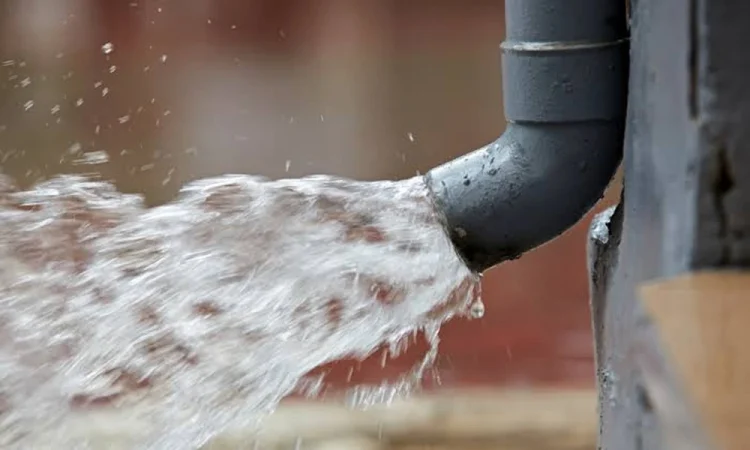
Most homeowners judge water pressure by one thing: how the shower feels. A strong, stinging spray seems like a bonus. Behind the walls, though, that same force pushes against every joint, valve, hose and seal in the house. It does this all day and all night, even when every faucet is closed.
Around Gallatin and the nearby towns, plumbers like Michael Jr Plumbing often trace running toilets, dripping relief valves and worn faucet cartridges back to pressure nobody ever measured. The fix is usually simple. The trouble is that high pressure stays hidden until a part gives out, so knowing what normal looks like helps you catch it early.
The EPA’s WaterSense program says household fixtures work best when incoming water pressure sits between 45 and 60 psi. It adds that many homes use a pressure regulating valve to hold pressure in that range. Most model plumbing codes require a regulator once street pressure goes above 80 psi. Plenty of houses sit well past that line, and their owners have no idea.
Where the Extra Force Comes From
City water systems aren’t set for one house. They’re set for the whole service area. The water has to climb to homes on hilltops, fill fire hydrants and still reach the last house on a long line. So the pressure leaving the pump stations and storage tanks is often far higher than any single kitchen needs.
Elevation makes a big difference. In rolling country, a home at the bottom of a slope can see much higher pressure than a neighbor a few streets uphill. Homes close to a pump station or a large main often get more force too.
Time of day matters as well. Late at night, when sprinklers are off and few people are showering, demand drops and pressure in the mains climbs. That means a reading taken at noon can look fine while the overnight number is much higher.
Reading the Number Yourself
You don’t need special skills to check. A basic pressure gauge from a hardware store threads onto an outdoor spigot or the cold valve behind a washing machine. Make sure no water is running anywhere in the house, then open the spigot all the way and read the dial.
Try to buy a gauge with a second “max” needle that stays at the highest reading. Leave it attached overnight. In the morning, that needle shows the peak, and the peak is the number that matters most.
Here is roughly what the readings mean:
- Below 40 psi: weak flow, often caused by a partly closed valve, an old clogged pipe or a supply problem worth looking into
- 45 to 60 psi: the comfortable range, where fixtures perform well and wear slowly
- 60 to 80 psi: usable, but seals and valves age faster than they should
- Above 80 psi: high enough that most codes call for a regulator, and a sign that an existing regulator may have failed
If you have a private well, the pressure tank switch sets your numbers, usually somewhere between 30 and 60 psi. City pressure isn’t a factor there.
What Constant Force Does Over Time
High pressure rarely bursts a pipe in one dramatic moment. It wears things out slowly. A toilet fill valve that has to hold back 95 psi instead of 55 will start to seep and hiss years early. Faucet cartridges lose their seal, and drips start sooner.
Appliances take a beating too. Washing machines, dishwashers and refrigerator ice makers all use small electric valves that snap shut. At high pressure, each snap sends a shock wave back through the pipes. That’s the bang people hear after a washer finishes filling, known as water hammer. Over thousands of cycles, it loosens fittings and strains the rubber supply hoses that so often cause laundry room floods.
The water heater feels it as well. Its tank is built to handle pressure, but constant overload adds stress to the welds, the inlet fittings and the relief valve on top.
The Expansion Problem Nobody Mentions
Here is where many homes get caught out. A pressure regulator, or the backflow device in many water meters, acts like a one-way door. Water can come into the house but can’t flow back out to the street. Plumbers call this a closed system.
Inside a closed system, the water heater creates a problem every time it runs. Water expands as it heats. In a typical tank, that adds up to a fair amount of extra volume with nowhere to go. House pressure spikes after every heating cycle, sometimes far above the street pressure.
The usual answer is a small thermal expansion tank, mounted near the water heater on the cold line. Inside is an air cushion that absorbs the extra volume. These tanks fail too. If the internal bladder tears, the tank fills with water and stops doing its job. A tank that feels heavy and solid when you tap it, or that spits water when you press the valve stem on top, has likely given up. The air charge inside should also match the home’s water pressure, which is something many installs skip.
A relief valve that drips now and then on top of a water heater is often a symptom of this. Many people assume the valve is bad and replace it, when the real cause is pressure.
When the Regulator Wears Out
Pressure regulators are usually bell-shaped brass valves near the main shutoff, where the water line enters the house. They have an adjustment screw on top and a spring and diaphragm inside. Like any part with moving pieces and rubber seals, they wear. A common estimate is a lifespan of about ten to fifteen years, and less where the water carries sediment.
A failing regulator doesn’t always announce itself. Pressure may creep up a few psi each month. It may swing from strong to weak while the shower is running. Some regulators start to hum or buzz when a fixture opens. When the inside fails completely, the house is suddenly getting full street pressure again.
Turning the adjustment screw on a worn regulator usually doesn’t help for long. Once the internal parts are tired, replacing the valve is the lasting fix. Most homes do well with the new one set somewhere in the mid fifties.
Living at the Right Pressure
Many homeowners worry that lower pressure means a disappointing shower. In practice, modern showerheads are designed to perform well at moderate pressure, and most people barely notice the change. What they do notice, over the following years, is fewer drips, fewer running toilets, and appliance hoses that last as long as they should.
The water bill tends to drop too. Every open faucet flows faster at higher pressure, so lowering it cuts waste without anyone changing their habits.
A pressure check takes a few minutes and a few dollars. It’s worth doing when you move into a new house, after the utility works on nearby mains, and once a year after that.