
Mold in Georgia Homes: Where It Hides, How It Is Handled and How to Keep It Out

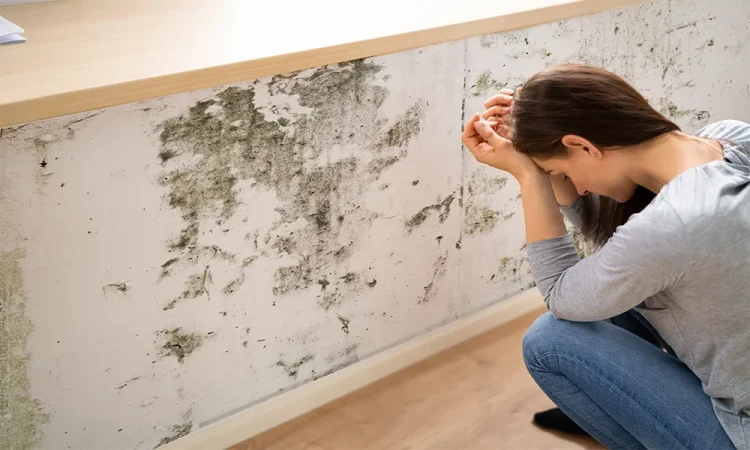
Georgia’s warm, humid climate gives mold plenty of opportunity. Frequent rain, high summer humidity and the occasional plumbing or roof leak mean that moisture is never far from the structure of a home. Mold needs only two things to take hold: moisture and an organic material to feed on, and houses are full of both. The team at Northeastern Restoration deals with mold problems across northeast Georgia, and this guide explains where mold tends to appear, how professionals assess and remove it, what homeowners can safely do themselves and how to prevent a recurrence.
What Mold Needs to Grow
Mold spores are present in outdoor air and drift indoors constantly, so eliminating all mold from a home is not realistic. What controls growth is moisture. When materials stay damp, spores settle and begin to grow, often within a day or two in warm conditions. That is why leaks, floods and chronic humidity matter more than the presence of spores themselves.
The Centers for Disease Control and Prevention notes on its mold health pages that mold grows where there is moisture, such as around leaks in roofs, windows or pipes, or where there has been a flood, and that it can cause or worsen certain health problems, including allergic reactions. People with asthma, allergies or weakened immune systems are generally more sensitive.
Where Mold Commonly Hides
Visible mold is often the smallest part of the problem. The most frequent locations include:
- Bathrooms. Showers, around tubs, behind toilets and on ceilings with poor ventilation.
- Kitchens. Under sinks, behind dishwashers and refrigerators with water lines.
- Basements and crawl spaces. Damp soil, foundation seepage and poor ventilation create ideal conditions, and mold can grow on framing, insulation and stored items.
- Attics. Roof leaks and inadequate ventilation can leave decking and insulation damp.
- Around windows. Condensation and failed seals can wet frames and surrounding drywall.
- Behind walls and under flooring. Hidden plumbing leaks can sustain growth for months before it becomes visible.
- HVAC systems. Condensate pans, drain lines and ductwork can harbor moisture, especially in humid climates.
- Laundry areas. Washing machine hoses and poorly vented dryers add moisture.
Signs You May Have a Mold Problem
Not every mold problem is visible. Watch for:
- A persistent musty or earthy odor, especially in a closed room
- Discolored patches on walls, ceilings or grout in shades of black, green, white or gray
- Peeling, bubbling or stained paint and wallpaper
- Warped or buckled flooring and baseboards
- Condensation on windows and walls
- Recurring allergy-like symptoms indoors that ease when you leave the building
- A history of water damage that was never fully dried
A musty smell with no visible source often means moisture is trapped inside a wall, floor or ceiling.
Inspection, Testing and Remediation Are Different Things
These terms are often confused.
Mold inspection. A trained inspector looks for visible mold and signs of moisture, uses tools such as moisture meters and thermal cameras to locate hidden dampness and identifies the source of the water. This step is about finding the cause as much as the mold.
Mold testing. Air or surface sampling can confirm the presence and type of mold spores. Results are interpreted in context and compared with outdoor samples or other rooms, since spores are normal in any environment. Testing is not always necessary. If mold is visible or the source is obvious, the priority is fixing the moisture problem and removing the growth.
Mold remediation. This is the process of containing, removing and cleaning up mold and the damaged materials, and then correcting the moisture source so it does not return.
How Professional Remediation Works
While details vary with the size and severity of the problem, a thorough remediation usually follows these stages:
- Assessment. The extent of growth and the source of moisture are identified, and a plan is developed.
- Containment. The work area is sealed off with plastic sheeting and negative air pressure, using air scrubbers with HEPA filtration, so spores do not spread to the rest of the house.
- Source correction. The leak, humidity or drainage problem is repaired or addressed. Without this step, mold returns.
- Removal of contaminated materials. Porous materials, such as drywall, insulation and carpet, that are moldy usually must be removed and discarded because they cannot be cleaned effectively. Non-porous and semi-porous materials, like framing, can often be cleaned or treated.
- Cleaning and drying. Surfaces are cleaned with HEPA vacuums and appropriate cleaning methods, and the structure is dried completely.
- Verification. Moisture readings and sometimes follow-up testing confirm the area is dry and clean.
- Repairs. Removed materials are replaced and finished.
Professionals use protective equipment, including respirators, gloves and eye protection, because disturbing mold releases spores.
What Homeowners Can Handle
Small areas of surface mold on hard materials, such as a patch on bathroom tile or grout, can often be cleaned by a homeowner. Basic guidelines:
- Fix the moisture source first, or the mold will return.
- Wear protective gear. CDC guidance recommends at least an N95 respirator along with gloves and goggles when cleaning up mold.
- Clean hard, non-porous surfaces with detergent and water, and dry them completely.
- Do not mix cleaning chemicals, particularly bleach and ammonia, which can create toxic fumes.
- Discard porous items such as ceiling tiles, carpet and insulation that have been moldy, since they are difficult or impossible to clean.
- Ventilate the area and avoid spreading dust through the house.
When to Call a Professional
Bring in a restoration company when:
- The mold covers a large area, commonly estimated as more than about ten square feet
- It followed flooding, sewage backup or significant water damage
- It is inside walls, under flooring, in the attic or in the HVAC system
- You cannot find the source of the moisture
- Anyone in the household has respiratory conditions, allergies or a compromised immune system
- Mold keeps returning after cleaning
- An insurance claim is involved and documentation is needed
Prevention Starts With Moisture Control
Because mold depends on dampness, prevention comes down to keeping the home dry.
- Fix leaks promptly. Repair roof, plumbing and window leaks as soon as you find them, and dry wet materials within 24 to 48 hours.
- Control humidity. Aim to keep indoor relative humidity below about 50 percent. In humid climates, a dehumidifier and a properly sized air conditioner help.
- Ventilate. Use bathroom and kitchen exhaust fans that vent outdoors, and run them during and after showers and cooking.
- Maintain drainage. Keep gutters clean, downspouts directed away from the foundation and the ground sloping away from the house.
- Manage crawl spaces. Vapor barriers, sealed vents and encapsulation can reduce moisture where appropriate.
- Check appliances. Inspect hoses and drain lines on washing machines, dishwashers, refrigerators and water heaters.
- Service HVAC. Keep condensate drains clear, replace filters on schedule and have ducts checked for leaks and condensation.
- Monitor. An inexpensive hygrometer lets you track humidity, and a periodic walk through the attic, basement and crawl space can catch problems early.
Insurance Considerations
Coverage for mold varies widely between policies. Many policies cover mold resulting from a sudden, covered water event, such as a burst pipe, but exclude mold caused by long-term leaks, humidity or neglect, and some set limits on mold-related payments. Read your policy, report water damage promptly and document everything with photographs. Quick, professional drying after any water event is the best protection both for your home and for your claim.
Choosing a Mold Remediation Company
Ask about certifications, such as those from the Institute of Inspection, Cleaning and Restoration Certification (IICRC), and about licensing and insurance. Request a written scope of work that describes containment, removal, cleaning and how the moisture source will be addressed. Ask how the company verifies that the work is complete, whether the inspection and the remediation are performed by separate parties to avoid conflicts of interest, and what warranty applies. Be skeptical of any company that offers a quick spray or paint-over solution without finding and fixing the cause.
The Bottom Line
Mold is a moisture problem first and a cleaning problem second. In a humid place like northeast Georgia, the best protection is fast response to any water event, good ventilation, steady humidity control and regular checks of the places where moisture hides. When growth is widespread, hidden or tied to significant water damage, professional inspection and remediation protect both your home and your health.