

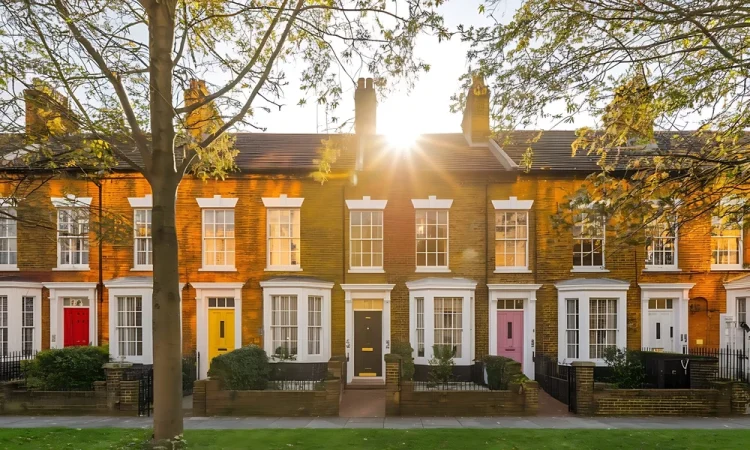
An Islington home can attract attention for very different reasons. A period terrace near Canonbury, a converted flat around Angel or a modern apartment close to the City may appeal to completely different buyers, even when the properties are only a short distance apart. That makes the decision about who handles your sale more important than simply choosing the most familiar name on the high street. There are currently dozens of firms operating across the area, giving homeowners considerable choice when appointing estate agents in Islington.
For a seller, the real objective is not maximum exposure in isolation. It is creating the right combination of pricing, presentation, buyer targeting and negotiation so that interest develops into a proceedable offer.
Start with the property, not the postcode
Islington’s housing stock rewards a more detailed valuation conversation. The character of an individual property can have a substantial bearing on who is likely to buy it and how it should be presented.
A Georgian or Victorian house with original features may need to be marketed very differently from a contemporary apartment with concierge facilities. Even among similar flats, factors such as floor level, natural light, outdoor space, lease terms, service charges and the condition of communal areas can influence buyer perception.
This is where a local valuation should go beyond showing you a headline figure. Ask how comparable properties have been assessed, which homes are genuinely relevant and what assumptions underpin the recommended asking price.
A common mistake is selecting the agent who suggests the highest valuation. An ambitious figure can sound attractive, but an asking price that fails to reflect current buyer expectations may result in fewer viewings, repeated reductions and a property that becomes increasingly difficult to position.
The better question is: what price gives the property a credible opportunity to generate serious interest?
Islington buyers rarely think uniformly
The phrase “Islington buyer” covers a remarkably broad group. Some purchasers want the village-like atmosphere and period architecture around areas such as Barnsbury and Canonbury. Others prioritise Upper Street’s restaurants, shops and transport connections, while professionals may place greater emphasis on access towards the City and central London.
That variety should shape the marketing strategy.
Your agent should be able to explain who is most likely to respond to your particular property rather than relying on a generic description of the area. A family house may need different photography and viewing arrangements from a compact one-bedroom flat. Likewise, a property requiring modernisation could appeal to a very different buyer from a turnkey home.
Local knowledge is particularly useful when an agent can distinguish between micro-markets rather than treating the whole borough as one homogeneous area. The portals themselves show a wide range of agents covering Islington, which reinforces the importance of comparing the substance of the service rather than simply its presence online.
Presentation should answer objections
Good presentation is not about making every property look artificially perfect. It is about helping buyers understand the opportunity quickly.
In practice, that might mean removing furniture that makes a room feel smaller, improving lighting before photography, dealing with minor maintenance issues or presenting a garden so its usable space is obvious. In a character property, preserving distinctive architectural details can be more persuasive than applying a completely neutral style.
Photography deserves particular attention because it often determines whether a potential buyer progresses from browsing to booking a viewing. Floorplans, accurate room descriptions and well-chosen images should work together rather than creating conflicting impressions.
There is also a financial calculation here. Spending heavily on cosmetic improvements immediately before selling is not automatically worthwhile. The strongest preparation decisions are usually those that remove obvious objections without trying to remodel the property for someone else’s taste.
An experienced agent should help you distinguish between improvements that increase buyer confidence and those that merely increase your costs.
The first offers need proper context
Receiving an offer is an important milestone, but the highest number is not necessarily the strongest offer.
For a seller, the buyer’s position matters. A cash purchaser, a first-time buyer with a mortgage agreement in place and a buyer who still needs to sell another property present very different levels of transaction risk.
This is one reason the negotiation stage can have a greater financial impact than a small difference between competing agents’ fees. The right advice involves assessing the whole proposition: price, funding, chain position, flexibility around dates and the likelihood of reaching completion.
Estate agents in Islington should also be prepared to challenge assumptions when necessary. If several buyers are responding differently to the asking price, their feedback can reveal whether the issue is presentation, value or simply the pool of buyers currently looking for that particular type of home.
A useful selling strategy leaves room for negotiation without deliberately underpricing the property simply to manufacture activity.
Choosing representation on service
Comparing estate agents on commission alone can be misleading. A lower fee may not represent better value if the service produces weak buyer engagement or leaves you managing much of the process yourself.
When meeting potential agents, pay attention to the questions they ask about your property. Do they understand its strengths? Can they explain its likely buyer? Have they identified potential weaknesses? Are they realistic about the asking price?
It is also worth asking how you will receive feedback after viewings, who will conduct them and what happens once an offer is accepted. A sale can lose momentum well after the initial marketing stage, so progression support matters.
The concentration of established agencies around central Islington and Upper Street means sellers can compare genuinely different approaches before making an appointment.
Look for clarity rather than grand promises. A strong agent should be willing to explain what they would do, what they expect from you and where the potential risks lie.
Conclusion
Selling property in Islington is rarely just a matter of putting a home on the portals and waiting for offers. The local mix of period houses, conversions and modern apartments means the strongest approach starts with understanding exactly what makes your property attractive, which buyers are most likely to respond and what could prevent them from progressing.
The right estate agents in Islington should therefore bring more than visibility. They should help you make sensible decisions about valuation, presentation, viewings and negotiation while keeping the transaction moving once a buyer is found.
Before choosing an agent, compare valuations carefully and ask each one to explain the reasoning behind its strategy. A well-considered appointment can make the selling process clearer, reduce avoidable delays and give you greater confidence when negotiating. If you are considering a move, arranging a detailed valuation and discussing your property’s likely route to market is a practical place to begin.