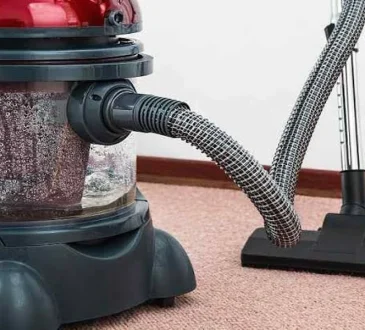

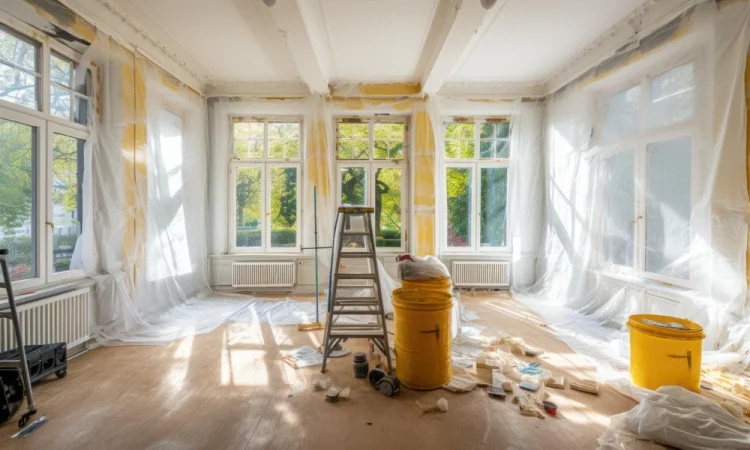
When water pours through a ceiling or smoke rolls down a hallway, most homeowners picture a single repair. Someone shows up, fixes the mess, and leaves. In practice, property restoration runs as two separate jobs that happen to share an address. The first is mitigation, which stops the damage from spreading. The second is reconstruction, which puts the home back together. Each has its own goals, tools, paperwork and timeline, and blurring the two is how small losses turn into long and expensive ones.
Companies that carry both halves under one contract tend to make the handoff smoother, and Core Restore is built around that idea. Across Los Angeles, Ventura and Orange County as well as the Dallas and Fort Worth area, its IICRC certified crews take water, fire, mold, sewage and storm calls around the clock. A job there opens with a free inspection, moves through daily monitoring of the drying, and shifts into rebuilding once mitigation is finished, with the team working directly alongside insurance carriers the whole way.
Speed Buys More Than Any Machine Can
Mitigation begins at the source. A burst supply line gets shut off, a roof leak gets tarped, a backed up sewer line gets stopped. Only then does extraction start, with truck mounted or portable units pulling standing water out of carpet, pad and subfloor. Every hour counts here. Drywall wicks moisture upward, wood swells, and mold can begin growing on damp organic material within roughly 24 to 48 hours.
Before a drying plan is written, a trained technician sorts the water by how dirty it is. The industry reference for this is the ANSI/IICRC S500 Standard for Professional Water Damage Restoration, which defines three categories. Category 1 comes from a sanitary source such as a broken supply pipe. Category 2 carries enough contamination to make people sick, like discharge from a washing machine or dishwasher. Category 3 is grossly contaminated and includes sewage and rising floodwater. Clean water left sitting can also slide into a worse category as it picks up contaminants from the materials it soaks. The S500 consensus body recently clarified that roof leaks and wind driven rain are not automatically treated as Category 3, a point that shapes how much material comes out on many storm claims.
The category decides what can be saved. Carpet soaked by a clean supply line can often be dried in place. Carpet soaked by sewage almost always goes to the dumpster, pad and all.
Readings Tell the Truth That Fans Cannot
Air movers and dehumidifiers are the visible part of drying, but they are not the measure of progress. Numbers are. A good crew sets a drying goal by reading unaffected materials elsewhere in the same house, known as the dry standard, and then works the wet materials down until they match. The job is also classed by evaporation load, ranging from Class 1, where only part of a room is affected, up to Class 4, where dense materials like hardwood, plaster and concrete hold water stubbornly.
Daily monitoring is where that work becomes visible. A solid drying log usually captures several things on every visit.
- Moisture content at marked points on walls, floors and framing
- Temperature and relative humidity both inside the drying zone and outside it
- Grains per pound, which shows how much water vapor the air is actually holding
- Equipment counts and placement, along with any changes made that day
- Photos of removed materials and of wet areas as they shrink
Those logs serve two purposes. They tell the technician whether to add a dehumidifier, open a wall cavity, or pull equipment early. They also become evidence for the adjuster that drying was necessary and that it was completed. Most residential water losses dry in three to five days when handled promptly, though plaster walls, tile over subfloor and crawlspaces can stretch that out.
Sometimes drying requires controlled demolition. A flood cut removes drywall a couple of feet above the waterline so air can reach the wet framing behind it. Baseboards come off, and small holes may be drilled near the bottom of walls to push dry air into the cavities. It looks destructive, but sealing wet material inside a wall is exactly how hidden mold gets started.
Furniture, Photos and Everything Else on the Move
Belongings travel their own road. When a room needs heavy drying or demolition, contents get packed out, inventoried and moved to a climate controlled facility. Items are sorted into what can be cleaned, what needs specialist restoration, and what is a total loss. Photographs, documents and electronics often get separate handling. That inventory matters later, because contents usually form a distinct part of the insurance claim with valuation rules of their own.
Smoke and Spores Rewrite the Plan
Fire losses add layers. Soot is acidic and starts etching surfaces and staining grout within hours, so cleaning begins early even while the structure is still being assessed. Smoke odor works its way into insulation, ductwork and soft furnishings, and removing it may call for thermal fogging, hydroxyl generators or sealing primers before any paint goes on. Firefighting also brings water, which means most fire jobs are quietly water jobs too.
Mold remediation moves the priority from drying to containment. Affected areas are sealed off with plastic sheeting, kept under negative air pressure with HEPA filtered machines, and cleaned so spores do not drift into rooms that were never affected. The moisture source has to be corrected first, or the growth simply returns.
Once Dry Is Declared, the Hammer Comes Out
Reconstruction should start only after readings confirm the structure has reached its drying goal, since building over damp framing traps the problem inside. This phase looks like ordinary remodeling, with new drywall, insulation, flooring, cabinets, trim and paint, but it carries its own headaches. Matching existing finishes is one of the hardest. A replaced section of hardwood or a single patched wall rarely blends perfectly, and insurers do not always agree to replace an entire floor for the sake of uniformity. Permits may also be required depending on the city and the scope, especially when electrical, plumbing or structural members are touched.
Homeowners are free to split the work between a mitigation company and a separate general contractor. That arrangement can succeed, but every handoff opens gaps in documentation, scheduling and accountability. When one team dries the house and then rebuilds it, the person signing off on dry walls is the same one who has to stand behind whatever goes over them.
Paper Trails Shape the Payout
Insurance treats the two phases differently as well. Most policies expect the homeowner to take reasonable steps to prevent further damage, so mitigation tends to be approved quickly. Reconstruction runs through a more detailed estimate, often built in the pricing software carriers rely on, and gets negotiated line by line. Sudden and accidental events like a burst pipe are commonly covered, while slow seepage and gradual leaks often are not. Damage from rising surface water usually falls under a separate flood policy altogether. Taking your own photos before anything is moved, keeping samples of damaged materials when possible, and asking for copies of the drying logs all strengthen the file.
Knowing Which Job You Are Standing In
The most useful habit during any loss is knowing which phase the house is in. If water is still moving through materials, the priorities are speed and measurement, not tile samples or paint colors. If the readings say the structure is dry, the conversation turns to finishes, permits and how closely the new work will match the old. Keeping those two jobs clear in your head makes it easier to ask sharper questions, spot a crew cutting corners, and talk to an adjuster with numbers rather than frustration. Restoration done in the right order usually ends with a home that feels untouched. Done out of order, it tends to end with a second claim.