

Millions of American houses constructed in the decades after World War II still contain the same materials that made them affordable, fireproof, and durable in the first place. One of those materials is asbestos, a naturally occurring mineral fiber that manufacturers blended into hundreds of building products before regulations tightened at the end of the 1970s. For anyone living in, renovating, or purchasing an older property, understanding the risks of asbestos in homes built before 1980 is not a matter of curiosity. It is a matter of long term respiratory health.
Why Asbestos Was Everywhere
Builders of the era had good reasons to love asbestos. The fibers resist heat, do not conduct electricity, and add tensile strength to cement, adhesives, and coatings. A single ranch house from 1962 might contain asbestos in its attic insulation, its furnace ducts, its vinyl floor tiles, the mastic beneath those tiles, its textured ceilings, its roofing felt, and its exterior siding shingles. None of this was hidden from the industry. Internal documents produced in decades of litigation show that many manufacturers understood the health hazards long before the public did, yet the products kept shipping to job sites across the country.
Production peaked in the early 1970s. When the Environmental Protection Agency and the Consumer Product Safety Commission began banning specific applications later that decade, existing stockpiles were still installed for years afterward. That is why 1980 works as a practical dividing line for homeowners. A house built before that year should be treated as likely to contain asbestos somewhere until testing proves otherwise.
The Difference Between Intact and Disturbed Materials
Here is the part that surprises many homeowners: asbestos that is sealed inside sound, undamaged material generally poses little immediate danger. A vinyl tile floor in good condition, or cement siding that has never been cut or sanded, keeps its fibers locked in place. The hazard begins when those materials are broken, drilled, scraped, crushed, or allowed to deteriorate. At that point microscopic fibers escape into the air, where they can remain suspended for hours and travel throughout a house on ordinary air currents.
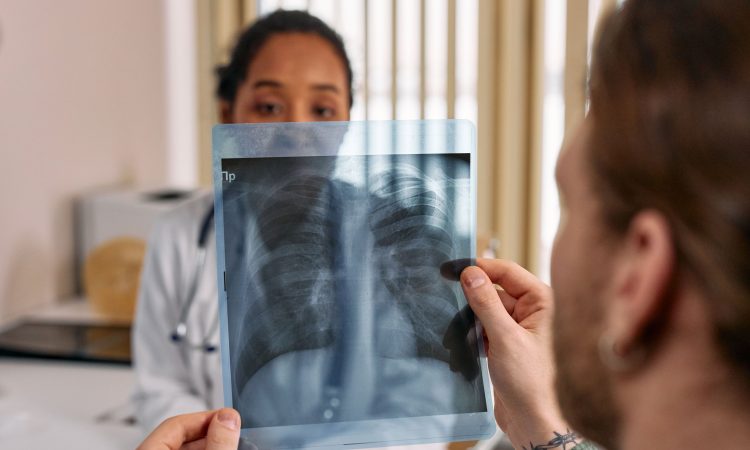
Once inhaled, the fibers lodge deep in lung tissue. The body cannot dissolve or expel them, so they stay put, causing chronic inflammation and scarring. Over a period of twenty to fifty years, that persistent cellular damage can develop into asbestosis, lung cancer, or mesothelioma. The long latency period is one of the cruelest features of these diseases. A weekend of unprotected demolition work in 1985 can surface as a diagnosis in 2026, long after the homeowner has forgotten the project ever happened.
High Risk Situations in Older Homes
Certain activities raise the danger dramatically. Renovation and remodeling top the list, because sanding a textured ceiling or ripping out old flooring turns stable material into airborne dust. Water damage is another common trigger, since saturated insulation and ceiling panels crumble as they dry. Aging heating systems deserve special attention as well. Pipe lagging and furnace wrap from the mid century era is often soft, powdery, and friable, meaning it can release fibers with nothing more than a bump from a laundry basket.
Secondary exposure matters too. Fibers cling to clothing, hair, and tools. A homeowner who spends an afternoon in a contaminated crawl space can carry fibers into the living room, exposing a spouse and children who never went near the work area. Families of industrial workers learned this lesson in the hardest way possible, and the same mechanism applies inside a private residence.
What Homeowners Should Do
The first rule is simple: do not disturb suspect material. Visual inspection cannot confirm whether a product contains asbestos, so leave scraping and sampling alone. If you are planning renovations in a pre 1980 house, hire a licensed asbestos inspector to survey the work area and collect samples for laboratory analysis. If testing comes back positive, a certified abatement contractor can remove the material under controlled conditions or encapsulate it with sealants that prevent fiber release.
Homeowners should also document everything. Keep copies of inspection reports, lab results, abatement contracts, and air clearance tests. These records protect you during a future sale, when disclosure laws in most states require sellers to reveal known hazards, and they establish a paper trail if anyone in the household later develops an asbestos related illness.
When Exposure Leads to Illness
People who develop lung cancer or mesothelioma after living or working in asbestos contaminated buildings often have legal options. Manufacturers of asbestos products, and in some cases property owners who concealed known hazards, have been held financially responsible for the diseases their conduct caused. Compensation can come through personal injury lawsuits, wrongful death claims filed by surviving family members, or bankruptcy trust funds that hold billions of dollars set aside for victims. Because every state imposes strict filing deadlines, anyone facing a diagnosis should speak with an experienced attorney promptly rather than waiting to see how treatment unfolds.
Older homes carry charm, history, and craftsmanship that modern construction rarely matches. They can be safe places to live for decades to come, provided the people who own them respect what may be hiding behind the walls and under the floors. Test before you cut, hire professionals for removal, and treat every pre 1980 building material as a question to be answered rather than a risk to be ignored.