
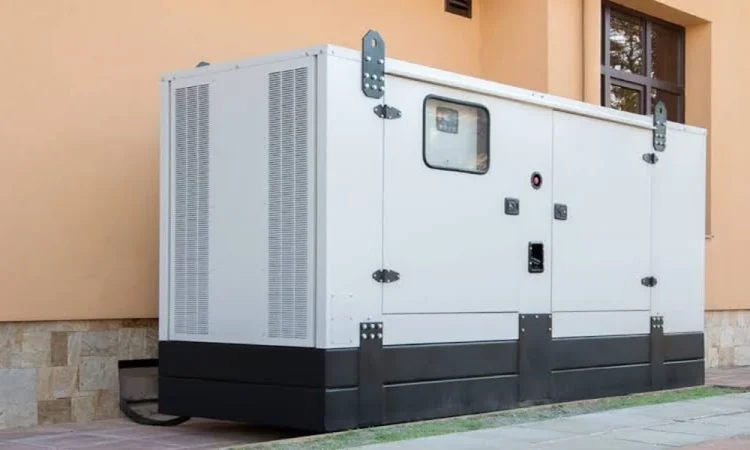
When a storm knocks out the power, a portable generator can feel like a lifeline. It keeps the refrigerator cold and the phone charged, and it makes a dark house a little more bearable. But every year, generators also cause injuries and deaths, usually because of a few avoidable mistakes made in a hurry.
Anyone who has lived through a Gulf Coast hurricane season knows how quickly the lights can go out. If you are thinking about backup power, a Houston electrician can explain what a safe setup looks like for your home. In the meantime, here are the basic rules, taken from guidance by the Texas A&M University System.
Carbon Monoxide Comes First
The Texas A&M Extension Safety Program covers generators in its publication Safe Operation of Backup Power Generators, written by David W. Smith. Its most important message is about carbon monoxide, the invisible gas in generator exhaust. It says never to operate a generator indoors, and it warns that running one in any enclosed or partly enclosed space is unsafe.
The publication adds that opening windows and doors will not prevent carbon monoxide from building up. It recommends installing battery-backed carbon monoxide alarms and testing them often.
Where the Generator Belongs
The right place is outdoors, away from windows, doors and vents, so exhaust cannot find its way into the house. A garage with the door open is not outdoors, a point that follows from the publication’s warning about partly enclosed spaces.
Why You Never Plug It Into a Wall Outlet
It is tempting to run the generator’s power into the house through a regular outlet. The publication says never to do this. Doing so can energize downed utility lines and endanger line workers and neighbors, a hazard known as backfeeding.
The Safe Way to Connect to Your House
If you want a generator to power parts of your home’s wiring, the publication says a licensed electrician should install a proper disconnect or transfer switch to prevent backfeeding. This is the job that separates a safe setup from a dangerous one, and it is not a do-it-yourself project.
Cords and Grounding
Without a transfer switch, the publication says to plug appliances directly into the generator, or use a heavy-duty, outdoor-rated extension cord rated for the total load. Check cords for damage before use, and use a three-prong plug with a grounding pin as a basic protection against shock.
Fuel and Fire
The publication says to store gasoline and other flammable fuels outside living areas in labeled, non-glass containers, and to keep them away from gas appliances such as a water heater in the garage, because vapors can travel along the ground. It says to shut off and cool the generator before refueling and to keep a fire extinguisher in the immediate vicinity.
Keeping It Dry
Storms and generators go together, and so do rain and electricity. The publication says to keep the generator dry, not to run it on wet surfaces or in rain, to operate it under an open, canopy-like structure, and to dry your hands before touching it.
A Permanent Alternative
The publication notes that permanently installed, stationary generators are better suited to provide backup power to a home during outages. Whether that makes sense for your house depends on your budget and your needs, and an electrician can walk you through the options.
A Note About the Source
The publication is dated April 2006. Its core safety rules are basic ones, but equipment, codes and recommendations change, so check current guidance and the manufacturer’s instructions for the generator you actually own.
About the Company Behind the Link
The website at the linked address belongs to Right Pro Electrical Services LLC, which says it is locally owned and operated in Houston, Texas, with over 20 years of experience and hours of Monday to Friday, 7 am to 7 pm, and Saturday, 7 am to 5 pm. Its listed residential services include rewiring, breaker panel replacement and inspection, whole-house surge protection, EV charging stations, knob-and-tube wire replacement, electrical home safety inspections, portable generator installation, remodels and landscape lighting. It lists a license number, TECL 31240, and a phone number of (713) 987-9781, and says customer satisfaction is guaranteed without describing warranty terms. Confirm the license with the state before you hire.