
Do the math on an inch of water. Spread across a 1,500 square foot slab house, that thin sheet adds up to roughly 935 gallons. A typical garage shop vac holds about five gallons before it needs emptying, which means close to 190 trips out the back door, and that count only covers what is visibly standing on the floor. The carpet pad, the bottom of the drywall and the particleboard under the kitchen cabinets have already started soaking up their share.
Calls for emergency water removal in More Oklahoma tend to arrive in clusters after heavy spring storms, when creeks rise and water finds its way under doors across the south metro. The Oklahoma City crew at nextlevelrestorationok.com picks up those calls around the clock, starts with a free estimate and works directly with whichever insurance company the homeowner carries, which takes some of the weight off a household that is suddenly sloshing through its own living room.
Removal and drying are often lumped together, yet they are two different jobs. Drying equipment can only do its work once the bulk of the liquid is gone, and every gallon left behind becomes humidity that fans and dehumidifiers have to fight for days. So the real question in the first hours is where the water is sitting, because each spot needs a different tool.
Standing on the Slab
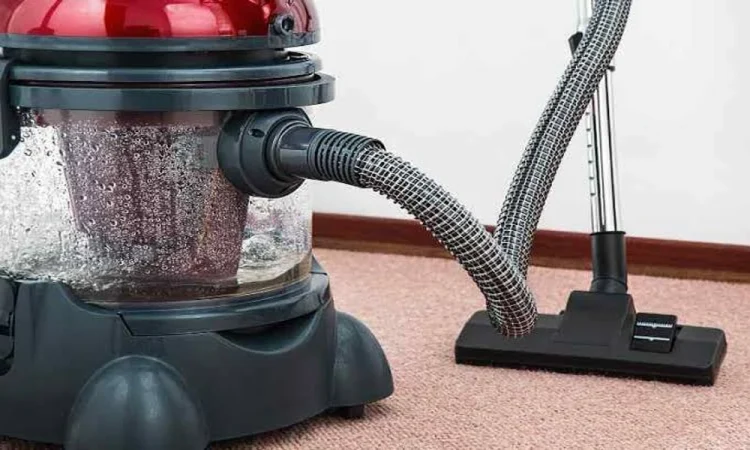
Most homes in Moore are built on concrete slabs, which makes the floor itself the first collection point. Concrete feels solid, but it is porous, and it keeps drinking water for as long as water sits on it. Restoration crews start with submersible pumps when water is deep enough to cover a pump intake, then switch to truck mounted or portable extraction units with hard surface wands to pull the remaining film off tile, vinyl and bare concrete.
Truck mounted units are the workhorses here. They run off their own engine outside the house, create far stronger suction than anything that plugs into a wall outlet, and pipe the extracted water straight into a holding tank in the vehicle. That last detail matters during a flood, because the household’s own drains may already be backed up or overwhelmed.
Trapped in the Carpet and Pad
Carpet is where homeowner efforts most often fall short. A wet carpet can look merely damp on top while the pad beneath it is fully saturated, holding several times its weight in water. Professional crews use weighted extraction tools, some of which a technician stands or rides on, to squeeze water out of the pad and pull it up through the carpet in the same pass.
Whether any of it can be saved depends on the kind of water involved. Clean water from a supply line can sometimes be extracted and dried in place if the work starts quickly. Rising floodwater from outside is a different story, since it carries soil, fertilizer, fuel and sewage. Guidance from Oklahoma State University Extension recommends replacing carpet and padding after floodwater because of what that water can contain. In those cases removal means cutting the carpet into strips and carrying it out, which also exposes the slab so it can finally dry.
Climbing Into the Walls
Water does not stay on the floor. Drywall wicks moisture upward the way a paper towel does, often climbing a foot or more above the original waterline within a day. Baseboards trap water behind them, and kitchen and bathroom cabinets built from particleboard swell from the bottom up.
Crews track this hidden spread with moisture meters and thermal cameras, which show cool, damp areas behind painted surfaces that look perfectly dry. The usual response is a flood cut, removing the lower portion of the drywall a little above the highest wet reading, along with any soaked insulation behind it. Cabinet toe kicks often come off so air can reach underneath.
Below the Garage Floor
Moore has something many places do not, an unusual number of underground storm shelters set into garage floors. After the tornadoes of 1999 and 2013, these in ground safe rooms became a common feature of homes across the city. They are built to keep people safe from wind, not to keep water out, and because they sit below the slab they become the lowest point on the property when storm runoff pours into a garage.
A flooded shelter has no drain and nowhere for water to go on its own. It has to be pumped out, the floor and walls cleaned of silt, and the lid seal and any vents checked so the space is usable before the next warning sounds. Garages in general deserve attention during removal, since they often hold stored boxes, chemicals and appliances that turn clean water into something dirtier very quickly.
The Order Crews Work a Flooded Room
Experienced technicians tend to follow a consistent sequence once the power is safely off and the source of the water has been stopped or has receded.
- Photograph and measure the damage for the insurance claim before anything is moved.
- Carry out furniture and contents, or block them up off the wet floor on foam pads.
- Pump any deep water, then extract the rest from hard floors and carpet.
- Pull up contaminated carpet and pad and cut out wet drywall and insulation.
- Clean and treat the exposed surfaces when floodwater was involved.
- Set air movers and dehumidifiers and take daily moisture readings until materials reach normal levels.
That last step can run three to five days, sometimes longer when the slab itself was soaked. Skipping straight to it, without a thorough extraction first, is the most common reason a house dries slowly or ends up with mold behind the walls.
Why the Clock Matters So Much
Mold can begin growing on wet building materials within roughly 24 to 48 hours, and Oklahoma’s warm, humid storm season pushes that timeline toward the short end. Every hour a carpet pad stays saturated, the odds of salvaging it shrink and the odds of a smell lingering in the house grow.
There is also the expansive red clay under much of the metro to consider. Water that pools against a foundation or seeps beneath it can swell the soil unevenly, so a flood that is cleared quickly from inside the house is only part of the picture. Checking gutters, downspouts and the grading around the slab after the water is out helps keep the next storm from following the same path in.
Speed, in the end, is less about panic and more about volume. Moving hundreds of gallons out of a house in a few hours instead of a few days is what separates a repair from a rebuild.