

The sound of rushing water is usually a source of comfort—a warm shower or a running dishwasher—until it is coming from a burst pipe in the upstairs bathroom or a failing water heater in the basement. Unexpected water intrusion is one of the most stressful experiences a homeowner can face, as it threatens both the structural integrity of the building and the safety of the indoor environment. Whether the cause is a sudden flash flood, a slow leak behind a kitchen cabinet, or a catastrophic HVAC drainage failure, the clock begins ticking the moment moisture touches your floors. Navigating the path to recovery requires a calm head and a systematic approach to ensure that your sanctuary is returned to its original, dry condition.
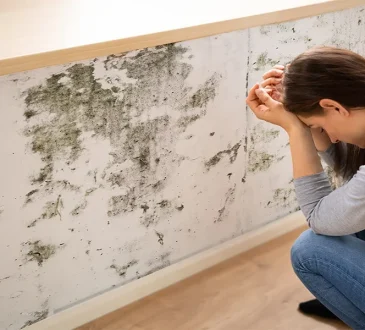
The immediate aftermath of a leak or flood is often a blur of activity, but the quality of your initial response dictates the long-term health of your property. Achieving a successful water damage restoration involves more than just mopping up visible puddles; it requires deep-tissue drying of subfloors, studs, and drywall to prevent the secondary effects of moisture. If water is left to sit for more than 24 to 48 hours, the risk of mold colonization increases exponentially, and structural materials may begin to warp or delaminate. By understanding the professional standards of recovery, you can transition from a state of crisis to a well-managed plan for home renewal.
Safety First: Assessing the Scene
Before you step into a flooded area, you must prioritize personal safety. Water and electricity are a lethal combination, so your first task should be turning off the power at the breaker box if you can do so safely. If the water has reached the electrical outlets, do not enter the room and wait for a professional electrician or a restoration specialist to give the all-clear. Additionally, consider the category of the water. “Clear water” from a broken supply line is relatively safe, while “black water” from a sewage backup or outdoor flood contains pathogens and requires specialized protective gear and heavy-duty sanitation.
The Critical Extraction Phase
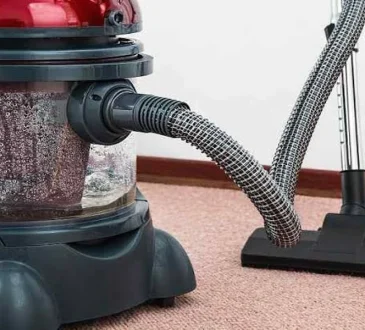
Once the area is deemed safe, the primary goal is to remove as much standing water as possible. Every gallon of water removed via physical extraction is a gallon that doesn’t have to be evaporated through the air, which speeds up the drying timeline significantly. For small spills, a wet/dry vacuum may suffice, but large-scale problems usually require industrial-grade submersible pumps. During this phase, it is also important to move furniture, area rugs, and electronics to a dry, climate-controlled environment. Taking these items out of the high-humidity zone prevents them from absorbing moisture from the air, which can cause wood to swell and electronics to corrode.
Scientific Drying and Dehumidification
After the standing water is gone, the home may look dry, but the hidden moisture inside porous materials remains a threat. Professionals utilize moisture meters and thermal imaging cameras to find pockets of water trapped behind baseboards or inside insulation. This is where high-velocity air movers and industrial-grade dehumidifiers become essential. A standard household fan or an open window is rarely enough to pull deep-seated moisture out of a home’s framing.
For homeowners dealing with the aftermath of a flood, professional water damage restoration is a multi-layered process that involves managing “balanced drying.” This means controlling the temperature and the relative humidity of the air so that moisture is pulled out of the materials without causing them to crack or become brittle. If the air becomes too saturated, the drying process stops; if it is too hot, you risk damaging delicate wood finishes. Constant monitoring of these psychrometric readings is the hallmark of a high-quality restoration effort.
HVAC Integration and Air Quality
Your heating, ventilation, and air conditioning (HVAC) system plays a supporting role in the restoration process, but it must be managed carefully. If the water problem was caused by a backup in the AC condensate line, the system itself may be contaminated with biological growth. Before running your HVAC to help with climate control, have the ductwork and the evaporator coils inspected. A clean, efficient HVAC system helps maintain the low humidity levels required to finish the drying process and ensures that your home’s air remains fresh and free of musty odors.
Essential Steps for a Successful Recovery
To keep your restoration project on track and minimize the long-term impact on your home’s value, follow these scannable best practices:
- Document Everything: Take high-resolution photos and videos of the damage and the source of the water for insurance purposes before you start the cleanup.
- Contact Your Agent Early: Most homeowner policies require “timely notice” of a loss, and they can often recommend vetted local contractors.
- Remove “Saturated” Porous Materials: In many cases, carpet padding and wet insulation cannot be effectively dried and should be removed and replaced to prevent mold.
- Sanitize All Surfaces: Use EPA-approved disinfectants on all hard surfaces to kill any bacteria or fungi that may have been introduced by the water.
- Seal the Area: Use plastic sheeting to isolate the affected area, preventing moisture and dust from migrating to dry parts of the house.
- Check the Sump Pump: If you have a basement, ensure your sump pump is functional and consider a battery backup for future peace of mind.
Structural Repair and Reconstruction
Once the drying logs show that the home has reached “dry standards,” the reconstruction phase can begin. This is often an opportunity to improve your home’s resilience. For example, if you have to replace drywall in a basement, consider using mold-resistant green board. If you are replacing flooring, luxury vinyl plank (LVP) offers a beautiful look while being significantly more water-resistant than traditional hardwood. This phase is about more than just putting things back the way they were; it is about building back better so that your home is better prepared for the future.
Conclusion
Experiencing unexpected water problems is a significant hurdle, but it is one that can be overcome with prompt action and professional expertise. By focusing on rapid extraction, scientific drying, and thorough sanitation, you can protect your home’s structure and your family’s health. Remember that the goal is to eliminate moisture at its source and throughout the building’s hidden cavities. With a proactive mindset and the right restoration strategy, you can successfully turn the tide and restore your home to the safe, comfortable, and dry haven it was meant to be. If you find yourself over your head, don’t hesitate to reach out to a certified specialist who can provide the equipment and experience needed to finish the job right.