

Water damage can devastate a commercial property, leading to costly repairs, structural issues, and health hazards. Whether caused by plumbing failures, storms, or flooding, immediate action is crucial. Commercial water damage restoration in Atlanta services should begin as soon as possible to prevent long-term damage and reduce restoration costs. The longer water sits, the more extensive the destruction, making a rapid response essential.
Why Immediate Water Damage Restoration is Necessary
When water infiltrates a building, it spreads rapidly, soaking into structural elements, furnishings, and belongings. If not addressed quickly, the consequences can become severe, resulting in higher costs and unsafe conditions. Below are the primary reasons why prompt action is crucial.
1. Limit Structural Damage
Prolonged exposure to water weakens wood, drywall, and insulation. Warping, swelling, and rotting can occur, causing irreversible damage to your property’s structural integrity. Without rapid water extraction, affected walls, floors, and foundations may require extensive repairs or replacements. Timely restoration prevents materials from degrading and ensures the building remains safe for occupancy.
2. Prevent Mold Growth
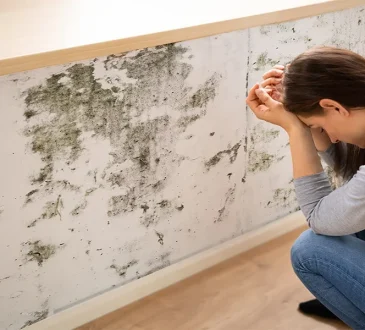
Mold begins to grow within 24 to 48 hours of water exposure, thriving in moist areas where it spreads quickly. Mold not only damages the building but also poses significant health risks, particularly for individuals with allergies, asthma, or other respiratory conditions. Professional water damage restoration services remove moisture promptly, preventing mold infestations before they start and saving you from costly remediation.
3. Reduce Financial Costs
The longer water damage sits, the more severe and expensive it becomes to resolve. Salvaging soaked materials like carpeting, furniture, or drywall is only possible with quick intervention. Additionally, by addressing the issue immediately, you significantly reduce labor and replacement costs, minimizing the financial impact on your business.
Key Steps in Water Damage Restoration
A successful water damage restoration process involves several structured steps to thoroughly address the damage and ensure long-term safety.
1. Water Removal and Drying
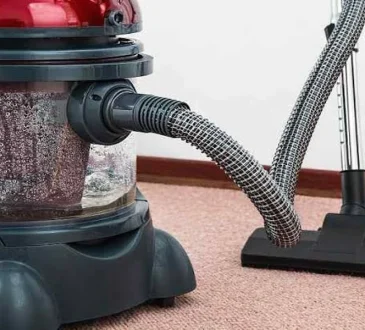
The first priority is removing standing water using specialized pumps and vacuums. Afterward, industrial-grade dehumidifiers and air movers are used to dry out all affected areas, such as walls, floors, and furnishings. This step is critical to prevent lingering moisture that can lead to further damage.
2. Cleaning and Sanitization
Once the property is dry, comprehensive cleaning and disinfection follow. This step eliminates bacteria, mildew, and other contaminants. Disinfecting surfaces also prevents unpleasant odors and ensures a safe environment for employees and customers.
3. Repairs and Restoration
After cleaning, repair efforts begin, which may involve replacing drywall, insulation, or flooring. Restoration ensures the property is returned to its original condition, minimizing business downtime and addressing all structural concerns effectively.
Preventive Measures to Avoid Future Water Damage
While water damage cannot always be avoided, certain precautions can minimize risks and protect your commercial property:
- Conduct regular inspections of plumbing systems, roofs, and gutters to identify and fix leaks early.
- Ensure drainage systems are functional and redirect water away from the foundation.
- Install water sensors or alarms to detect leaks quickly.
- Regularly maintain HVAC systems to prevent condensation buildup.
Conclusion
When water damage strikes, time is of the essence. Rapid restoration reduces structural damage, prevents mold, and keeps repair costs manageable. Professional water damage restoration services provide the expertise and equipment needed for effective recovery. By responding swiftly and taking preventive steps, you can protect your property, minimize hazards, and ensure business continuity.